

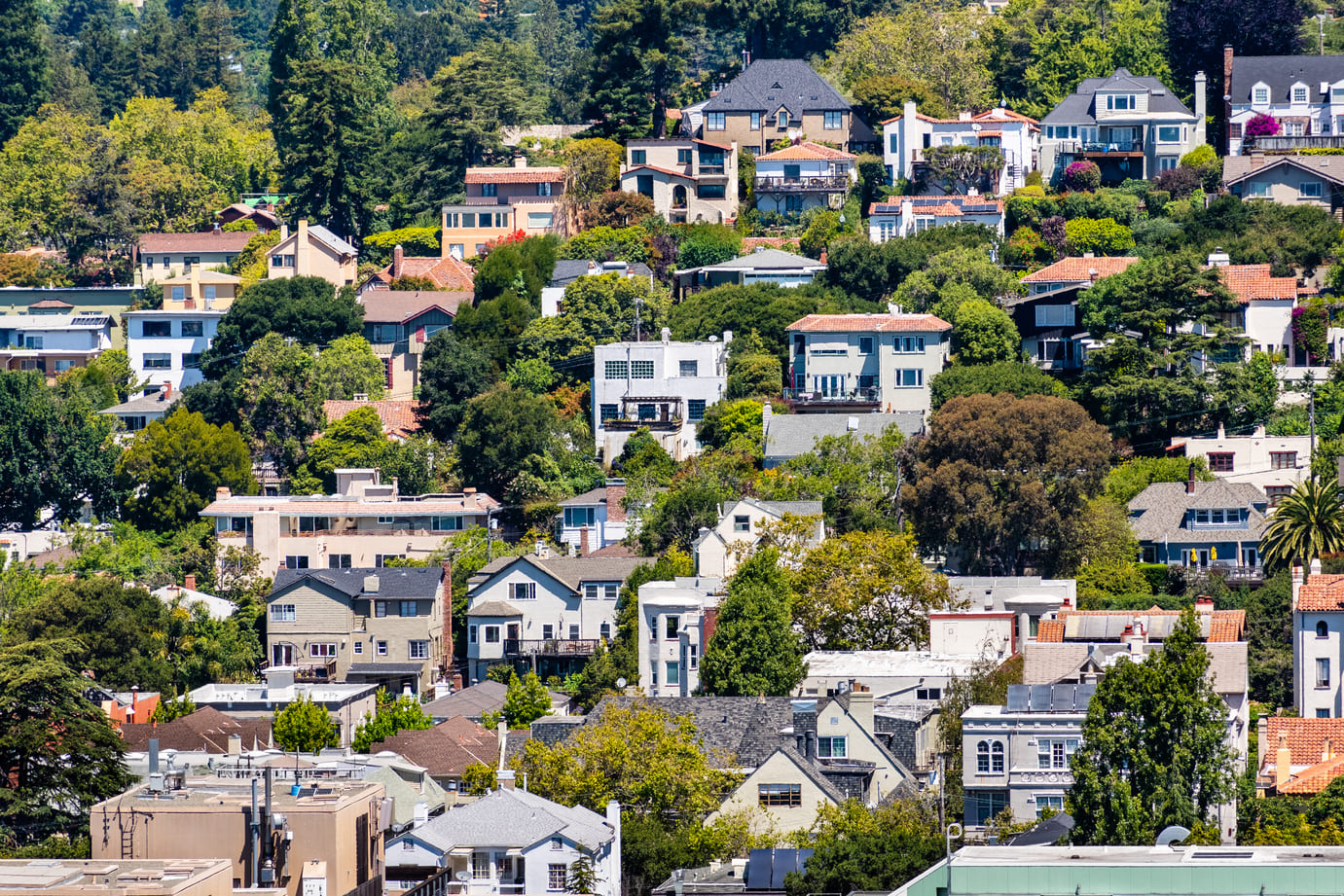
If you've been sitting on the sidelines waiting for the East Bay market to cool off, I've got some numbers from this week that might change your mind.
We just wrapped our sales meeting and the stats for early July are honestly kind of mind-blowing.
Oakland home sale prices are up 10% year-over-year — that's comparing this July 7th to last July 7th. Not a blip. A real, measurable jump in activity.
Berkeley listings are selling an average of 32% over list price. Let that sink in. Sellers pricing a home at $1M are routinely walking away with well over $1.3M. And that's just the average — the standout properties are doing even more.
Case in point: a listing on Milvia Street in Berkeley went on the market at $2 million. It's currently pending at over $4 million. That's not a typo — that's double the list price.
I heard about this one firsthand because a colleague of mine wrote an offer at $3.7 million on that property. A strong, well-prepared offer. And it still landed about $500,000 short of where the property is pending.
What this means if you're a buyer: If you're still pricing your offers based on list price, you're not just going to lose — you're going to lose by a lot. The gap between "asking" and "actual" has widened dramatically, especially on well-located, move-in-ready homes in Berkeley and the Oakland hills. Bring your strongest offer first. There often isn't a second chance to come back.
What this means if you're a seller: This is about as strong a seller's market as we've seen in a while. If you've been on the fence about listing, these numbers suggest buyer demand is deep and buyers are willing to stretch — significantly — for the right property. Pricing strategy matters more than ever; a well-priced listing designed to spark competition can outperform a "safe" high list price by a wide margin.
And San Francisco is even more extreme
If you think the East Bay numbers are wild, San Francisco is on another level entirely. 58% of offers in the city are now all-cash — meaning cash offers have officially eclipsed financed offers. That's an enormous shift, and it tells you a lot about who's competing for homes right now.
What makes this stretch particularly unusual is the timing. July is typically when the market takes a breath. Instead, we're seeing the opposite — an intensity you'd expect in peak spring season, not midsummer.
For buyers in San Francisco right now, the playbook is blunt: get approved, take your best shot, and don't hold back hoping to negotiate. On anything that qualifies as "good inventory," hesitation or a lowball strategy is likely to cost you the home outright. This isn't a market that rewards testing the waters.
Looking ahead: why this might just be the beginning
A rising tide raises all the boats — and the East Bay is riding San Francisco's wake. Looking further out, there's a wave of IPOs expected this fall, with vesting set to hit in early 2027. That's a meaningful amount of new liquidity about to enter the market right as buyers start their new year house hunt — which could make January 2027 just as intense, if not more.
There's also an open debate right now about whether we're in an AI bubble or witnessing a durable shift in the economy. Whichever way that resolves, it's worth asking: with this much capital flowing through the market, what does homeownership in the Bay Area look like in 5–10 years? It's a question worth sitting with, whether you're buying your first home or thinking about long-term wealth building through real estate.
The East Bay market isn't just holding steady in 2026 — it's accelerating, and it's being pulled along by forces bigger than any one neighborhood. If you want to talk through what this means for your specific situation, whether buying or selling, I'm always happy to run the numbers with you.
— Nash
Check out this article next